Free IP & network toolkit, no sign-up
Look up any IP address. Instantly.
See the location, ISP, ASN and timezone behind any IPv4 or IPv6 address, then dig deeper with DNS, subnet and developer tools. Fast, free and private by design.
- IPv4 & IPv6
- No sign-up
- Private by design
- Free API
The toolkit
Everything you need to investigate an IP
Focused tools that load fast, work on any device and never ask you to create an account.
IP Lookup
Geolocation, ISP, ASN and timezone for any IP address, pinned on an interactive map.
What's My IP
Your public IP address, location and ISP the moment the page loads. Copy it in one click.
DNS Lookup
Query live DNS records for any domain to verify mail, SPF, DKIM and nameserver setup.
Subnet Calculator
Network, broadcast and usable host range for any IPv4 subnet, with binary breakdowns.
IP API & Formatter
Free plain-text and JSON endpoints for scripts, CI pipelines and cURL one-liners.
Popular IPs
Well-known addresses from Google, Cloudflare, AWS and more, plus common private IPs.
How it works
From IP address to location in three steps
- 01
Enter an address
Paste any IPv4 or IPv6 address, a domain or a CIDR block. Or simply open the page and we detect your own IP automatically.
- 02
We query the data
Our servers ask trusted geolocation providers, built on regional internet registry and ISP records, and cache results for speed.
- 03
Read the report
See the country, city, ISP, ASN, timezone and coordinates on an interactive map, plus technical details such as the reverse DNS zone.
For developers
Your IP in one line of code
Simple endpoints for shell scripts, cron jobs, CI pipelines and dynamic DNS updates.
- No API key or sign-up
- Plain text, JSON, XML, YAML
- CORS enabled for browser apps
- Works with any HTTP client
$ curl tracethatip.com/raw
203.0.113.42
$ curl tracethatip.com/json
{"ip":"203.0.113.42"}
$ curl tracethatip.com/yaml
ip: "203.0.113.42"
Example output shown with a documentation address (203.0.113.42).
The basics
What is an IP address?
IPv432-bit
About 4.3 billion possible addresses
192.0.2.1
IPv6128-bit
About 340 undecillion possible addresses
2001:db8::1
An IP address, short for Internet Protocol address, is a unique numerical label assigned to every device connected to a network that uses the Internet Protocol. Think of it as a digital mailing address: it tells the internet where data should be delivered and where it came from.
Every website you visit, email you send and file you download relies on IP addresses to route information correctly between billions of connected devices.
Two versions are in use today. IPv4 uses a 32-bit format like 192.168.1.1, while IPv6 uses a 128-bit format designed for the ever-growing number of connected devices. Knowing your IP address is the first step toward better network awareness, security and privacy. Use What's My IP to see yours instantly.
Why TraceThatIP
Built to be the tool you come back to
Fast by default
Server-side caching and lean pages mean most lookups come back in a fraction of a second, even on mobile.
Privacy first
Lookups are not stored for marketing or data mining, and your recent searches are saved only in your own browser.
Reliable data
Location, ISP, ASN and timezone come from established geolocation providers built on registry and ISP records.
Developer-friendly
Plain-text, JSON, XML and YAML endpoints make it easy to grab your IP from scripts, cron jobs and CI pipelines.
Guides
Learn how the internet finds you

Developer Tools
How to Get Your Public IP Address in Python (Using Requests & APIs)
A complete guide on fetching and parsing your public IP address in Python. Covers standard urllib, the requests library, and handling JSON API payloads.
Jun 5, 2026

Developer Tools
How to Get a User's IP Address in JavaScript (Frontend & Backend)
A comprehensive guide on retrieving a client's public IP address in JavaScript. Covers frontend fetch requests and backend Node.js proxy headers parsing.
Jun 4, 2026
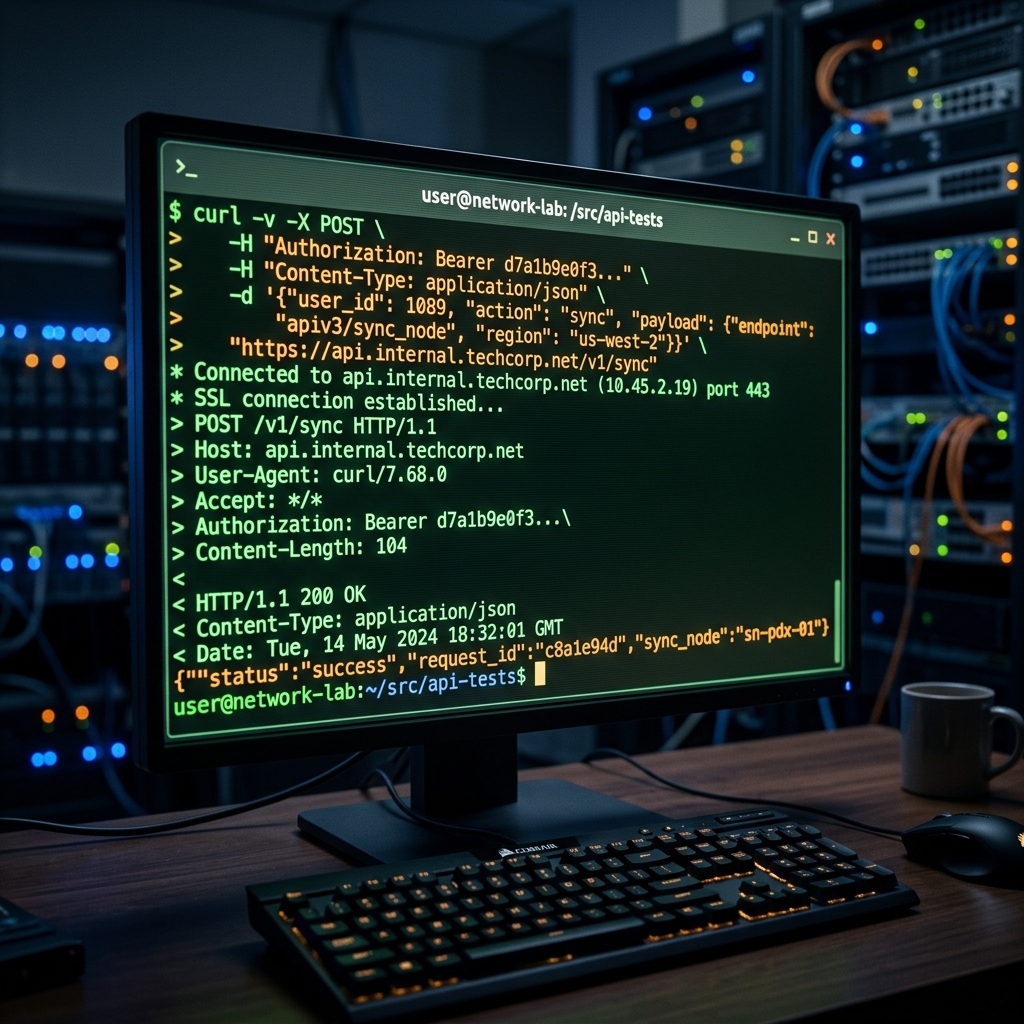
Developer Tools
How to Find Your Public IP Address from the Command Line (CLI)
A developer-focused guide on querying your public IP directly from the terminal. Learn how to use curl, wget, httpie, and PowerShell with plain text endpoints.
Jun 3, 2026
Is TraceThatIP free to use?
How accurate is IP geolocation?
Can someone find my home address from my IP?
Do you store the IP addresses I look up?
Does TraceThatIP support IPv6?
8.8.8.8 and IPv6 addresses like 2001:4860:4860::8888. The subnet calculator currently covers IPv4.What is the difference between an IP lookup and a DNS lookup?
Trace your first IP in seconds
No account, no clutter. Paste an address and go.